The K-pop industry is built on discipline, perfection, and constant visibility, but that pressure often comes at a serious cost to idols’ health. Many artists face packed schedules filled with rehearsals, music shows, interviews, fan events, travel, and strict image expectations. Over time, this can lead to exhaustion, injuries, anxiety, and sudden health emergencies. Instead of being treated as rare accidents, these moments should be seen as warning signs of how demanding the industry can be.
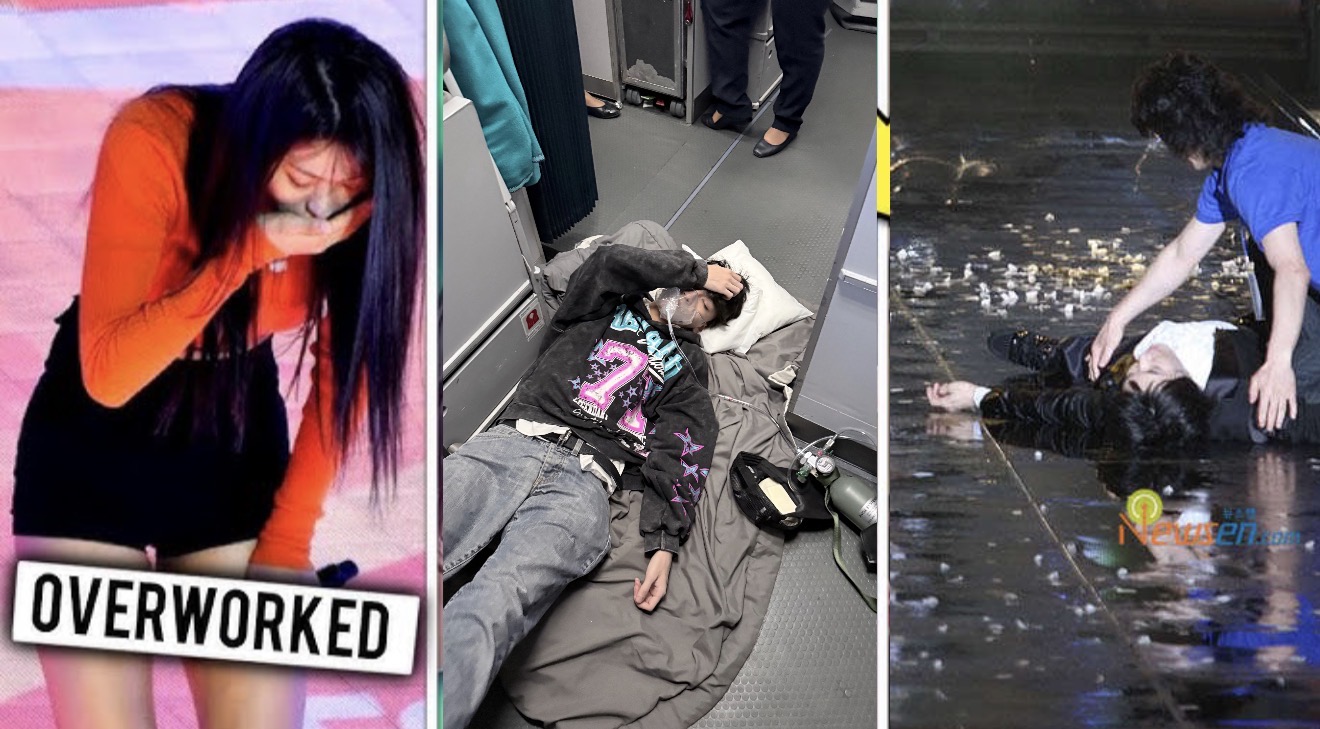
Several idols have already shown how intense these pressures can become. aespa’s Ningning sat out a performance after symptoms of dehydration and exhaustion, while idols such as Jeongyeon of TWICE and Mina of TWICE have taken breaks in the past due to anxiety and health concerns. BTS’s Jungkook has spoken about performing through extreme fatigue, and many groups have faced criticism from fans when members appeared visibly tired during promotions. These examples show that overwork affects both newer and established idols, regardless of popularity or success.
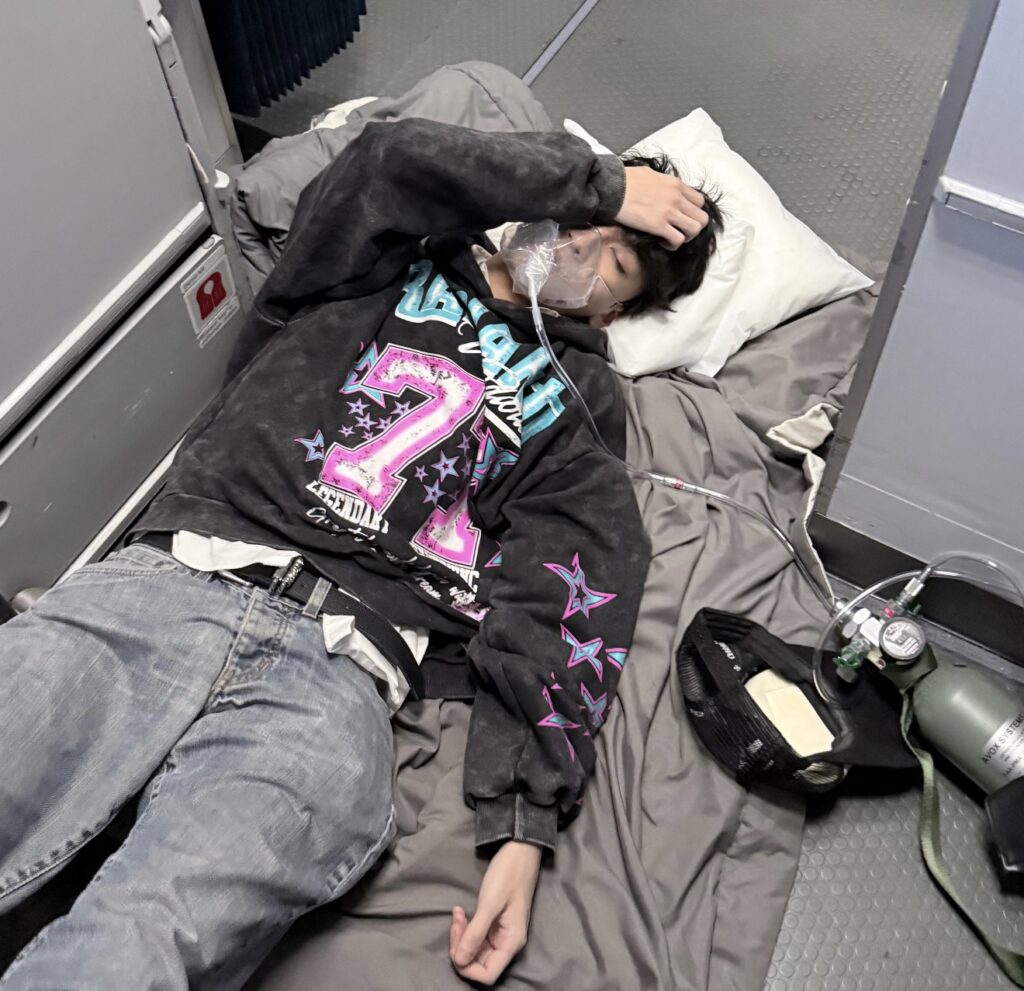
AltoDZI’s recent health crisis on an airplane, reported by 808daily.com, adds another serious example to this conversation. His situation shows that the pressure does not end when idols leave the stage. Constant travel, lack of rest, stress, dehydration, and back-to-back schedules can put artists in dangerous situations even while they are in transit. AltoDZI’s case highlights how important it is for companies and management teams to prioritize health before an artist reaches a breaking point.
Ultimately, idols are not machines built to perform endlessly. They are people whose talent depends on proper rest, medical care, and emotional support. The industry must create healthier schedules, allow real recovery time, and stop treating exhaustion as proof of dedication. K-pop can still be successful without pushing artists beyond their limits; protecting idols should be seen as part of the industry’s future, not an obstacle to it.